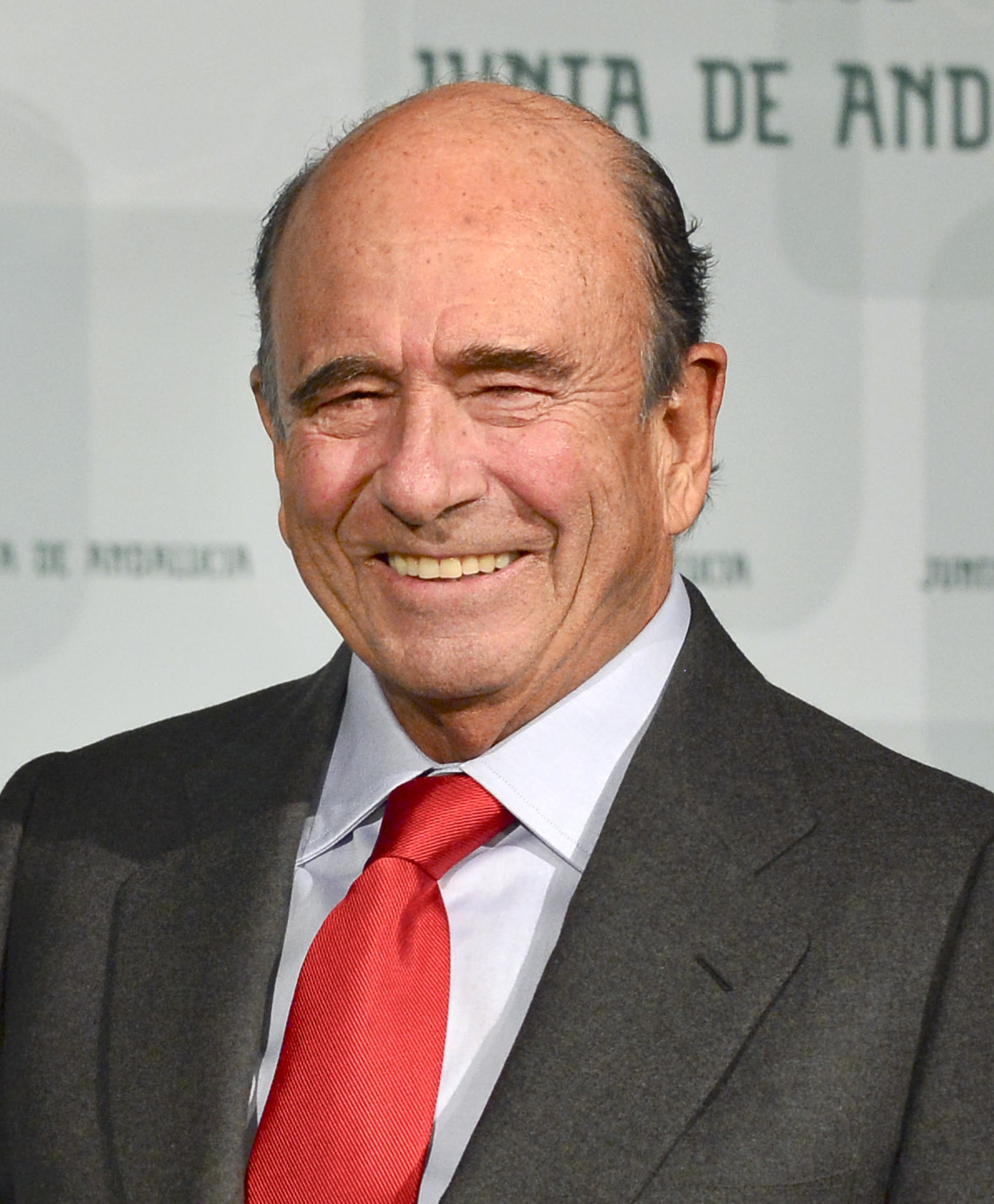
Unpacking Emilio Botin's $1.1 Billion Net Worth and Banking Empire
Emilio Botin-Sanz de Sautuola y García de los Ríos, universally known as Emilio Botin, was a name synonymous with global banking prowess. As the visionary Executive Chairman of Spain's Grupo Santander, he presided over one of the most ambitious expansions in modern financial history. With an estimated emilio botin net worth of $1.1 billion, his wealth was not merely a personal fortune but a testament to the colossal banking empire he meticulously constructed. This article delves into the strategies, triumphs, challenges, and controversies that defined Botin's remarkable career and consolidated his place among the world's most influential bankers.
The Architect of a Global Banking Giant: Emilio Botin's Rise
Born on October 1, 1934, in Santander, Cantabria, Spain, Emilio Botin inherited a legacy deeply entrenched in finance. He was a fourth-generation banker, continuing a family tradition that had long been at the heart of Spanish banking. This lineage provided him not only with an understanding of the industry but also, seemingly, an innate drive for growth and performance—a characteristic he would become renowned for throughout his career.
Taking the Helm and Strategic Expansion
Botin officially took the reins as Executive Chairman of Grupo Santander in 1986. From this pivotal moment, his strategic vision began to unfold with unprecedented speed and scale. He was known for his relentless obsession with expanding the bank's reach and improving its performance, often personally visiting branches to foster a strong operational culture.
The 1990s marked the beginning of Santander's transformative journey under Botin's leadership:
- 1993: Santander absorbed Banco Español de Crédito (Banesto), a significant move that consolidated its position within Spain. This early acquisition foreshadowed a broader strategy of growth through strategic M&A.
- 1999: A monumental merger with Banco Central Hispano led to the creation of Banco Santander Central Hispano (BSCH). This union immediately established BSCH as Spain's largest bank, cementing Botin's reputation as a master strategist. He co-presided with Central Hispano’s José María Amusategui until Amusategui's retirement in 2002.
The early 2000s saw Santander's ambitions extend far beyond the Iberian Peninsula.
- 2004: BSCH made a bold move into the British market by acquiring Abbey National. This acquisition was a game-changer, propelling BSCH to become the second-largest bank in Europe by market capitalization and signalling its serious intent on the global stage.
Under Botin, Santander developed an expansive global footprint, boasting over 13,000 branches worldwide. Its presence extended to the U.S. through Sovereign Bank and maintained a significant hold in the UK. Perhaps most impressively, Santander's early and sustained investment in Latin America proved incredibly prescient, with banks in the region contributing a staggering 51% to the group's total profits, highlighting the power of geographical diversification.
For more details on his transformative journey, explore Emilio Botin: The Billionaire Banker Behind Santander's Global Rise.
Deconstructing Emilio Botin's $1.1 Billion Net Worth
The estimated emilio botin net worth of $1.1 billion was a direct reflection of his enduring leadership and significant stake in Grupo Santander. His wealth wasn't static; it fluctuated with the fortunes of the global economy and the strategic decisions made within the bank.
Performance, Profits, and Economic Headwinds
In 2011, a critical year for the Spanish economy, Santander posted $7.1 billion in net profits. While a substantial sum, this represented a 34.6% to 36.4% drop over the previous year. This decline was largely attributable to the severe downturn in the Spanish economy and the continued fall in real estate prices, which impacted the bank's core market.
In response to these challenging conditions, Botin oversaw significant write-downs:
- $2.4 billion in Spanish real estate assets.
- An additional $792 million in Portuguese goodwill.
These decisive actions, though costly, demonstrated Botin's willingness to address financial realities head-on, a trait essential for navigating complex banking environments.
Accolades and Recognition
Despite the economic turbulence, Santander's strategic strength and Botin's leadership did not go unnoticed. In July 2008, Euromoney magazine lauded Santander as the "Best Bank in the World." By March 2012, Forbes recognized Botin's individual wealth and influence, ranking him #1075 among the world's billionaires and #12 in Spain.
A Legacy of Succession
Emilio Botin also planned for the future, ensuring the continuity of the family's banking legacy. His daughter, Ana Botin, emerged as the apparent heir, gaining significant experience by running Banesto, the bank’s retail branch. This prepared her to eventually take the helm, continuing the Botin family's multi-generational stewardship of Santander.
Navigating Controversies: Tax Evasion and Ethical Considerations
While Emilio Botin was celebrated for his business acumen, his career was not without controversy. A notable incident that cast a shadow on his family's financial dealings emerged in 2011.
The Secret Swiss Account Scandal
In 2011, the Botin family paid a staggering $264.2 million in penalties to avoid charges of tax evasion. This significant payment was linked to a secret Swiss bank account of unknown size, which had remained undisclosed for years. The revelation highlighted the complexities and ethical challenges that can sometimes intertwine with immense wealth and power.
This episode served as a stark reminder of the intense scrutiny faced by high-profile financial figures and institutions. It underscored the critical importance of transparency and adherence to tax regulations, even for those at the very top of the global economic ladder. Such controversies can have lasting impacts on public perception and the reputation of the individuals and organizations involved.
For a deeper dive into this aspect of his life, read Emilio Botin's Net Worth: Navigating Bank Profits and Tax Evasion.
Key Strategies from a Banking Visionary
Emilio Botin’s journey offers invaluable insights into building and maintaining a global financial powerhouse. Here are some of the key strategies that underpinned his success:
- Aggressive Growth Through M&A: Botin's willingness to execute large-scale mergers and acquisitions was foundational. From Banesto to Abbey National, each strategic integration expanded Santander's market share and geographical reach. Practical Tip: For businesses looking to grow, analyze the market for strategic partnerships or acquisitions that can accelerate your trajectory and fill critical gaps.
- Global Diversification: The early and sustained focus on Latin America proved incredibly lucrative, cushioning the bank against downturns in its home market. This diversification prevented Santander from being overly reliant on any single economy. Practical Tip: Diversify your investments and market presence. Relying too heavily on one product, service, or geographical area can expose your business to unnecessary risk.
- Focus on Performance & Hands-On Leadership: Botin's obsession with performance was coupled with a hands-on approach, including regularly visiting branches. This ensured that the bank's strategic vision was executed effectively at every level. Practical Tip: Effective leadership requires both high-level strategy and attention to operational detail. Regular engagement with frontline teams can provide crucial insights and boost morale.
- Adaptability in Crisis: The economic challenges of 2011 forced Santander to make tough decisions, including significant write-downs. Botin's ability to address these issues head-on demonstrated resilience. Practical Tip: Build robust risk management frameworks into your business model. The ability to adapt quickly and decisively in the face of economic headwinds is paramount for long-term survival.
- Long-Term Vision and Succession Planning: Botin built an empire designed to last beyond his tenure, carefully grooming his daughter Ana for leadership. This focus on generational continuity ensured stability. Practical Tip: Businesses should always plan for succession. Nurturing internal talent and establishing clear leadership transitions are vital for sustainable, multi-generational growth.
Conclusion
Emilio Botin's estimated emilio botin net worth of $1.1 billion was far more than a figure; it represented the culmination of a life dedicated to banking, marked by audacious strategy, relentless growth, and significant influence. From transforming a regional Spanish bank into a global titan with a presence in over 13,000 branches worldwide, his legacy is one of visionary leadership and unparalleled expansion. Despite facing economic downturns and navigating personal controversies like the tax evasion penalty, Botin's impact on Grupo Santander and the broader financial landscape is undeniable. He was a quintessential billionaire banker, whose strategic acumen, global ambition, and profound understanding of the financial world continue to shape how we view the architecture of modern banking empires.
